- Feb 25, 2025
The Power of Dead Hangs: A Simple Exercise for Back, Shoulder, and Grip Strength
- Bee Varga
- 0 comments
In the world of fitness, we often overlook the simplest movements that offer the most significant benefits. One such underrated yet powerful exercise is the dead hang—a fundamental movement that involves hanging from a bar or similar support. While it might seem basic, research shows that dead hangs can help improve shoulder mobility, back health, and grip strength, making them an excellent addition to your routine.
Why Should You Try Dead Hangs?
Many people experience shoulder or back pain, which can severely impact their daily activities and overall quality of life. If you’ve tried multiple treatments with little success, dead hangs might be worth exploring. While they aren’t a cure-all, studies suggest that they can aid in spinal decompression and shoulder rehabilitation. Plus, they only take a few minutes a day!
Spinal Decompression and Back Health
Our modern lifestyles involve prolonged sitting and compression of the spine due to gravity. Dead hangs can counteract these effects by creating space between the vertebrae and reducing pressure on the intervertebral discs.
A study published in the Journal of Orthopaedic & Sports Physical Therapy found that spinal decompression techniques, including passive hanging, help alleviate lower back pain (Barz et al., 2019).
Another study highlighted that hanging can improve circulation to the spinal discs, promoting their health and longevity (Bettlach et al., 2015).
If you suffer from back pain, spending just a few minutes hanging each day could provide noticeable relief.
Shoulder Health and Mobility
Dead hangs aren’t just good for your back—they can also work wonders for your shoulders. In the United States, orthopedic surgeon Dr. John Kirsch conducted research on patients suffering from severe shoulder impingement and mobility issues. His findings were remarkable:
Many of his patients were on the waiting list for surgery, yet after consistently practicing dead hangs, their pain diminished, and their range of motion improved.
Hanging stretches and strengthens the shoulder muscles, reducing the risk of impingement and helping those with shoulder discomfort (Kirsch, 2017).
Grip Strength and Longevity
Grip strength might not seem like a major concern, but research indicates a strong correlation between grip strength and overall health, including cardiovascular health and longevity. According to recent studies:
Stronger grip strength is linked to a lower risk of cardiovascular disease and mortality (Peterson et al., 2020).
Dead hangs help develop grip strength, making them beneficial not just for athletes but for anyone looking to improve their overall health.
How to Get Started (Even If You’re Not Strong Yet!)
One common misconception is that dead hangs are only for very fit individuals. While it’s true that hanging requires some strength, there are ways to get started even if you’re a complete beginner:
Use a support: Rest your feet on the ground or a chair while you hang to reduce the load on your arms.
Start with short holds: Even just 5-10 seconds at a time can help you build up to longer hangs.
Gradually progress: Increase your time as you get stronger, and try different grips for variety.
Precautions and Who Should Avoid Dead Hangs
While dead hangs have many benefits, they are not recommended for everyone. If you have shoulder instability, past rotator cuff injuries, or severe spinal conditions, consult with a medical professional before trying them.
If you are under medical care for a shoulder or spinal condition, check with your doctor or physical therapist to see if dead hangs are appropriate for you.
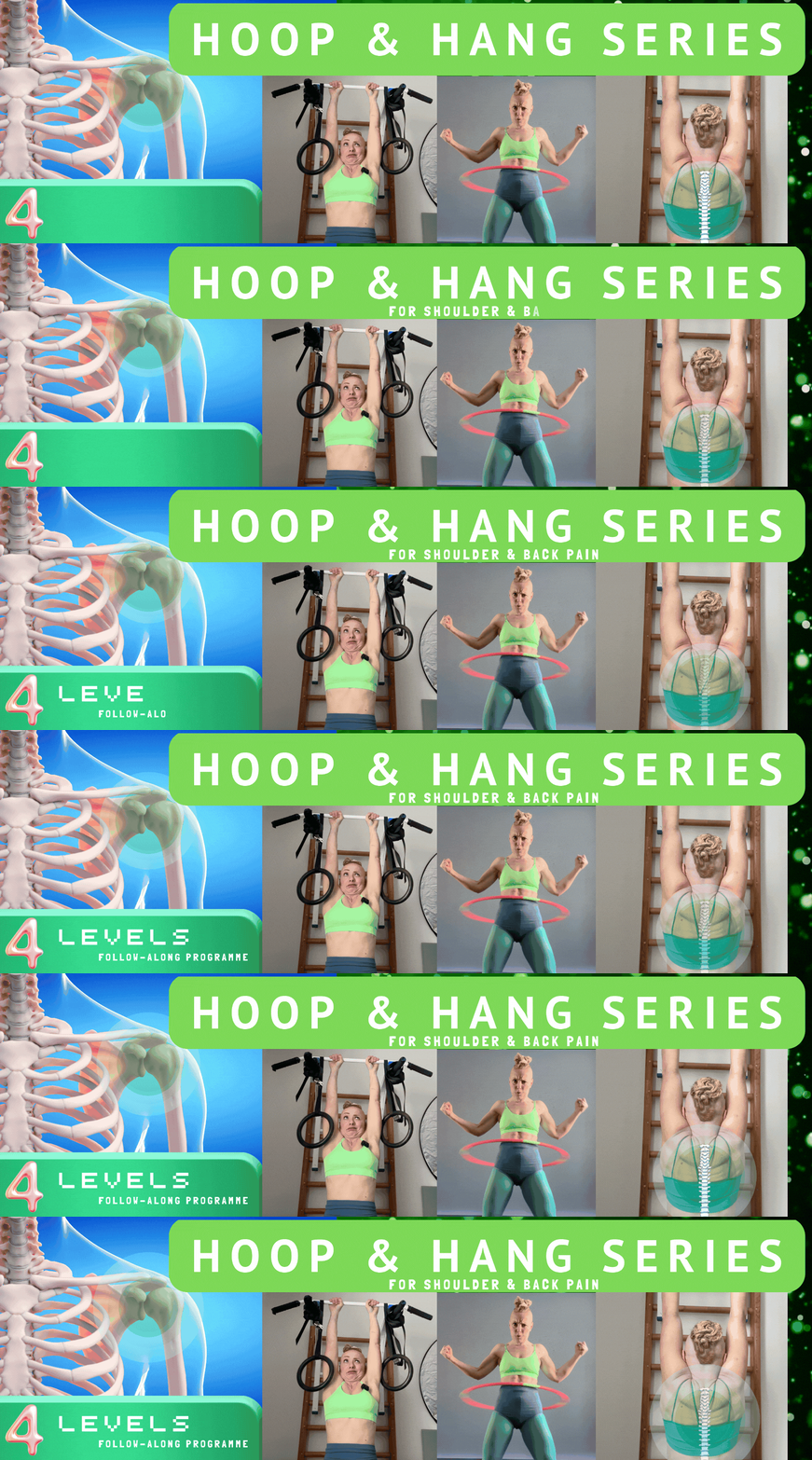
My 4-phase Hang programme with hula hooping to make wellness more fun 🤩
Making Dead Hangs Fun and Engaging
Hanging might not sound very exciting at first, but once you get the basics down, you can incorporate movement and variety to keep it fun. My favourite is to combine it with hula hooping for an added challenge! (But don’t worry—you don’t need to hula hoop to get the benefits of dead hangs!) Sprinkling some movement in between dead hang sets does improve the gliding of joints by reducing the viscosity of synovial fluid & boosting circulation. So it is a simple way to achieve better results with dead hangs if one includes active recovery sets of something vigorous but not strenuous.
Final Thoughts: Small Effort, Big Benefits
Dead hangs are a simple yet powerful exercise that can improve your spinal health, shoulder mobility, and grip strength. They require no expensive equipment, take just a few minutes a day, and have scientific backing to support their benefits.
So, if you’ve been dealing with shoulder or back pain, or just want to improve your overall health, why not give dead hangs a try? Start small, progress gradually, and enjoy the benefits of this underrated movement!
References
Barz, T., et al. (2019). "Spinal Decompression and Lower Back Pain Relief: A Systematic Review." Journal of Orthopaedic & Sports Physical Therapy. https://www.jospt.org
Bettlach, C., et al. (2015). "The Effects of Hanging on Intervertebral Disc Health." PMC Journal of Spinal Research. https://www.ncbi.nlm.nih.gov/pmc/articles/PMC4607679/
Kirsch, J. (2017). Shoulder Pain? The Solution & Prevention. https://www.shouldermd.com
Peterson, M. D., et al. (2020). "Handgrip Strength as a Predictor of All-Cause Mortality." ACSM’s Medicine & Science in Sports & Exercise. https://journals.lww.com/acsm-msse/fulltext/2020/04000/handgrip_strength_as_a_predictor_of_all_cause.10.aspx
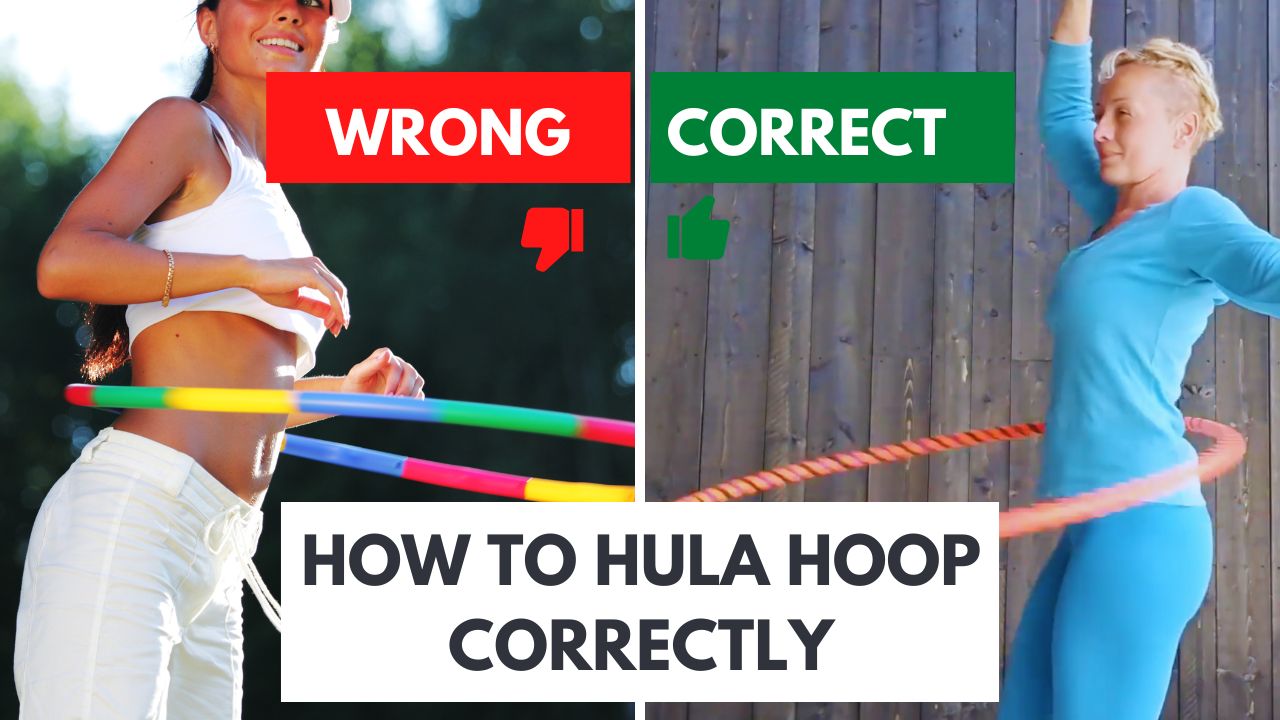
Can you hula hoop wrong? Is there a correct way to move to keep a hula hoop spinning? find out now!